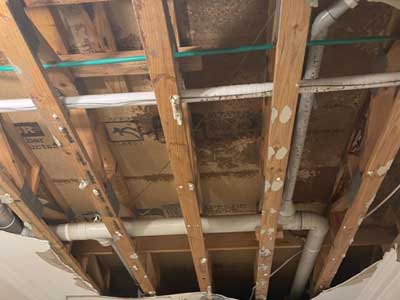
Water damage is a prevalent issue that can have devastating effects on properties. Whether caused by natural disasters or plumbing failures, it requires immediate attention to mitigate long-term damage. Employing efficient restoration techniques is critical to preserving property integrity and preventing future complications. This article outlines key methods and considerations that can aid in effective water damage restoration.
Understanding the Categories of Water Damage
Water damage can be classified into different categories based on the contamination level and the source of the water. Recognizing these categories is crucial for choosing the appropriate restoration strategy.
- Category 1: Clean water from sources like broken pipes or rainwater. It poses no significant health risks.
- Category 2: Grey water with some level of contaminants, such as water from washing machines or dishwashers.
- Category 3: Black water consisting of highly contaminated water, such as sewage or floodwater. It poses significant health risks and requires specialized handling.
Explore advanced guides and tips on managing different water damage categories effectively.
Initial Assessment and Safety Measures
Before any restoration efforts begin, a thorough assessment of the affected area is necessary. This process helps in identifying the extent of damage and determining the safety measures required.
- Ensure the safety of the premises by shutting off electrical supply if water has intruded into electrical systems.
- Wear protective gear to minimize exposure to hazardous materials, especially in Category 3 situations.
- Document the damage through photographs as this may be required for insurance claims.
Discover expert strategies here for conducting a comprehensive damage assessment.
Effective Water Extraction Techniques
Removing standing water quickly is vital to prevent further damage and reduce restoration costs. Various techniques and equipment can be employed for efficient water extraction.
Use of Pumps and Vacuums
Submersible pumps and industrial vacuums are commonly used to remove large volumes of water. It is important to select the right equipment based on the volume and type of water.
Dehumidification and Drying
After water extraction, dehumidifiers and air movers are used to eliminate residual moisture. This step is essential to prevent mold growth and structural damage.
Find out more about this approach to water extraction and drying techniques.
Restoration and Repairs
Once the property is thoroughly dried, restoration and repair work can commence. This phase involves repairing damaged structures and restoring the property to its pre-damage condition.
- Inspect and replace damaged drywall, flooring, and insulation as necessary.
- Sanitize and clean affected areas to eliminate contaminants and prevent mold growth.
- Consider professional restoration services for extensive damage to ensure high-quality repairs.
Learn about our tailored solutions for efficient restoration and repair methods.
Preventive Measures for Future Protection
Implementing preventive measures can significantly reduce the risk of future water damage. Regular maintenance and inspections are key to ensuring property resilience.
- Regularly inspect and maintain plumbing systems and roof structures.
- Install sump pumps and backflow valves to manage water levels and prevent backups.
- Ensure proper drainage around the property to direct water away from foundations.
Discover expert strategies here for implementing effective preventive measures.
About the Author