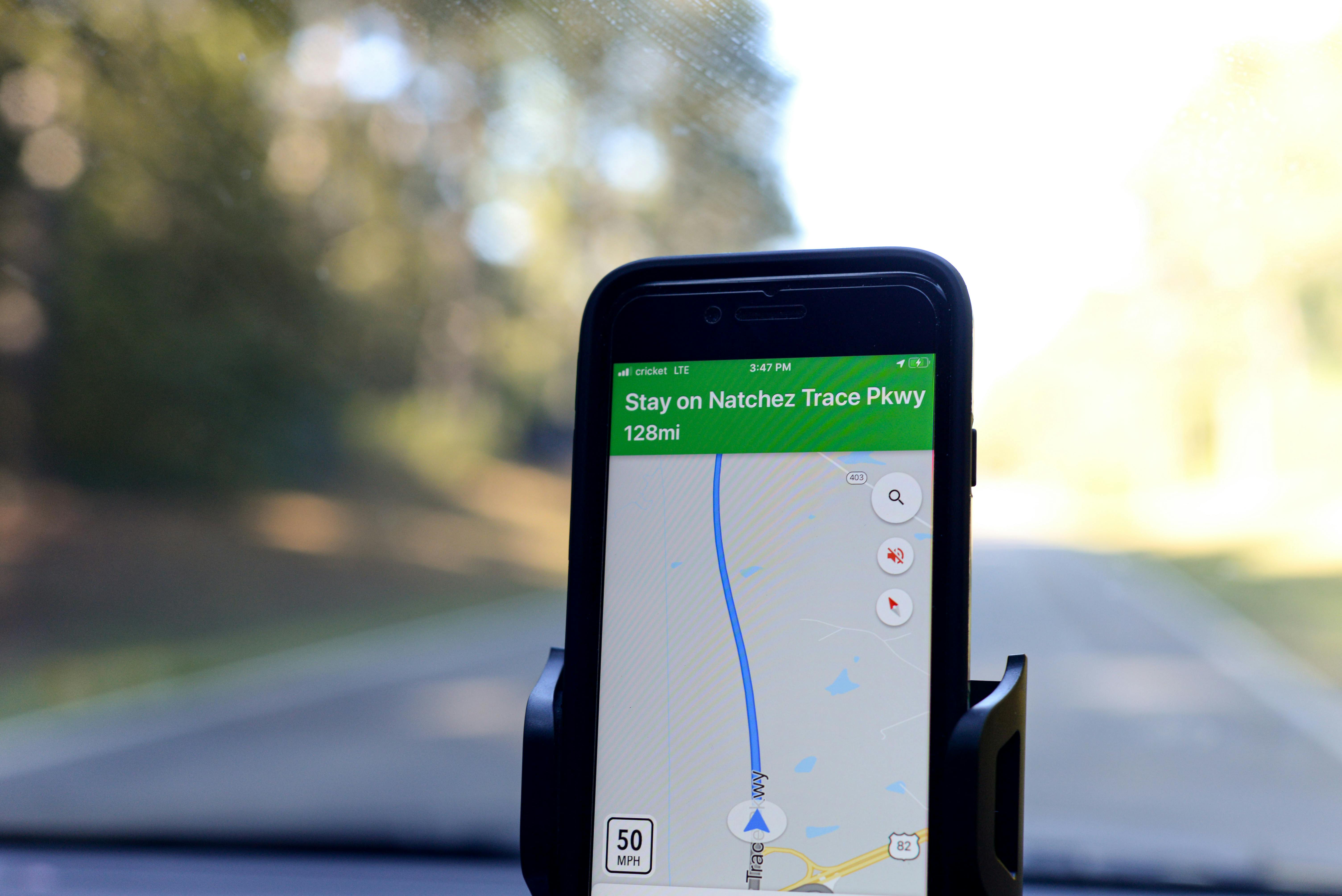
In today’s fast-paced world, the transportation industry demands high efficiency and precision in managing driver fleets. With the increasing pressure to optimize operations, reduce costs, and enhance service quality, companies are turning to advanced fleet management systems. These systems provide comprehensive insights into fleet operations, enabling businesses to make informed decisions and maximize efficiency. This article delves into key strategies and technologies that can transform fleet management, ensuring operations run smoothly and effectively.
Understanding Fleet Management Systems
Fleet management systems are comprehensive solutions designed to monitor and manage various aspects of a company’s fleet of vehicles. These systems offer a range of functionalities, including:
- Real-time vehicle tracking and monitoring
- Driver behavior analysis
- Route optimization
- Fuel consumption tracking
- Maintenance scheduling
By integrating these features, fleet management systems provide a centralized platform that enhances visibility and control over fleet operations. Learn about our tailored solutions to explore how these systems can be customized to meet specific business needs.
Enhancing Driver Efficiency
Driver Behavior Monitoring
Monitoring driver behavior is a critical component of maximizing fleet efficiency. Advanced systems utilize telematics to gather data on driving patterns, such as speed, braking, and idling time. This information helps identify areas for improvement and provides opportunities for driver training and development. Explore advanced guides and tips on how behavior monitoring can lead to safer and more efficient driving practices.
Incentive Programs
Implementing incentive programs based on driver performance can motivate drivers to adopt more efficient driving habits. Consider rewarding drivers for achieving fuel efficiency targets or maintaining excellent safety records. This not only boosts morale but also contributes to cost savings and reduced environmental impact.
Optimizing Route Planning
Effective route planning is essential for minimizing travel time and fuel consumption. Advanced fleet management systems offer route optimization tools that consider traffic patterns, road conditions, and delivery schedules. This ensures that drivers take the most efficient routes, reducing unnecessary mileage and enhancing punctuality.
Real-time Traffic Updates
Incorporating real-time traffic updates into route planning can significantly enhance efficiency. Systems that provide live traffic data enable drivers to avoid congested areas and select alternative routes when necessary. Find out more about this approach to stay ahead of traffic challenges and improve delivery timelines.
Maintenance and Vehicle Health
Proactive Maintenance Scheduling
Regular vehicle maintenance is crucial for ensuring fleet reliability and performance. Advanced fleet management systems offer predictive maintenance features, alerting managers to potential issues before they become major problems. This proactive approach reduces downtime and extends the lifespan of vehicles.
Fuel Management
Fuel costs represent a significant portion of fleet expenses. Implementing fuel management strategies can lead to substantial savings. Systems that track fuel consumption and provide insights into inefficient driving behaviors help managers identify opportunities for improvement. Discover expert strategies here to optimize fuel usage and reduce operational costs.
Conclusion
Maximizing efficiency in driver fleet management systems is vital for maintaining competitiveness and achieving operational excellence. By leveraging advanced technologies and adopting strategic approaches, businesses can enhance their fleet operations, reduce costs, and improve service quality. From driver behavior monitoring to route optimization and proactive maintenance, the tools and strategies discussed offer a comprehensive pathway to efficiency. Businesses are encouraged to explore tailored solutions that align with their specific operational goals and challenges.
About the Author