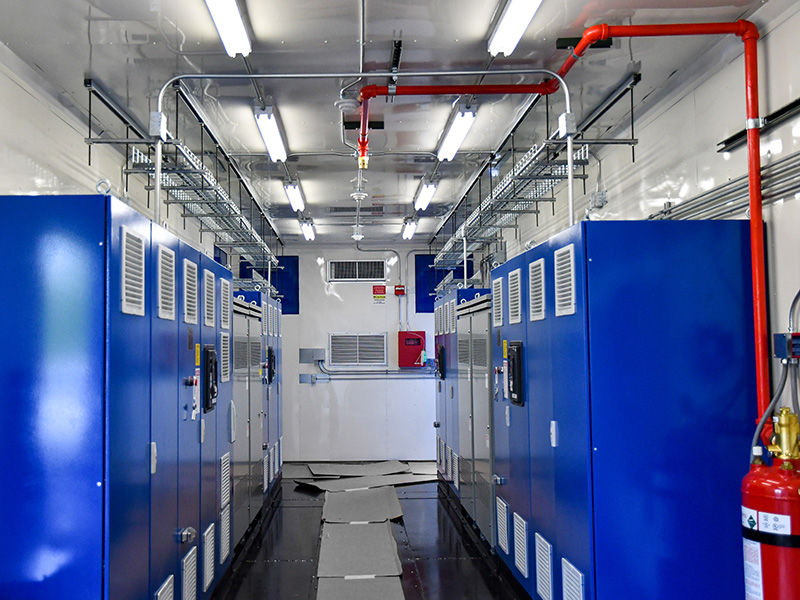
In the rapidly evolving landscape of industrial operations, efficiency is a cornerstone of success. Businesses are constantly on the lookout for systems that can streamline operations, reduce costs, and enhance productivity. One such innovative technology that is making waves in this domain is the OOOOC (Object-Oriented Object-Oriented Controls) control system. By leveraging these systems, organizations can significantly optimize their operational workflows, resulting in improved output and minimized waste.
Understanding OOOOC Control Systems
OOOOC control systems represent a cutting-edge approach to industrial automation. These systems are designed with flexibility and scalability in mind, allowing for seamless integration into existing infrastructures. The fundamental principle of OOOOC is to provide a modular framework where components can be easily adapted or replaced without disrupting the entire system.
Key Features of OOOOC Systems
- Modularity: Components can be upgraded or replaced independently.
- Scalability: Systems grow alongside the business, accommodating increased operational demands.
- Interoperability: Seamless integration with existing systems and technologies.
- Real-time Monitoring: Instantaneous data feedback for immediate decision-making.
Find out more about this approach by visiting this detailed resource to understand how OOOOC systems can benefit various industrial applications.
Implementing OOOOC for Maximum Efficiency
Strategic implementation of OOOOC control systems is essential for harnessing their full potential. The integration of these systems requires a comprehensive understanding of existing workflows and an evaluation of the desired outcomes. Organizations can benefit from expert guidance to ensure a smooth transition and optimal setup.
Steps for Successful Implementation
- Conduct a thorough analysis of current processes to identify areas for improvement.
- Develop a clear implementation plan with specific goals and timelines.
- Engage with experts who can provide tailored solutions that fit the unique needs of the business. Learn about our tailored solutions.
- Ensure training and support are available for staff to adapt to the new system efficiently.
- Regularly review and refine the system to align with evolving business objectives.
Discover expert strategies here to streamline the implementation process and maximize the benefits of an OOOOC control system.
Benefits of Optimizing with OOOOC
The advantages of integrating OOOOC control systems into industrial operations are manifold. Not only do they enhance efficiency, but they also contribute to sustainable business practices by reducing resource wastage and operational costs.
Core Benefits
- Increased Productivity: Automation and streamlined processes lead to higher output.
- Cost Savings: Reduced need for manual intervention and lesser downtime.
- Improved Quality Control: Real-time data enables quick adjustments to maintain quality standards.
- Enhanced Flexibility: The system can adapt to changes in production demands seamlessly.
- Environmental Sustainability: Efficient resource use minimizes environmental impact.
Explore advanced guides and tips here on how to leverage these benefits for long-term operational excellence.
Conclusion
The integration of OOOOC control systems into industrial environments is a forward-thinking approach that promises significant improvements in efficiency and productivity. With their modular and scalable design, these systems offer a robust solution for businesses looking to modernize their operations. By focusing on strategic implementation and continuous improvement, organizations can not only meet current demands but also position themselves for future growth and success. For those interested in delving deeper into this transformative approach, more information can be found here.
About the Author