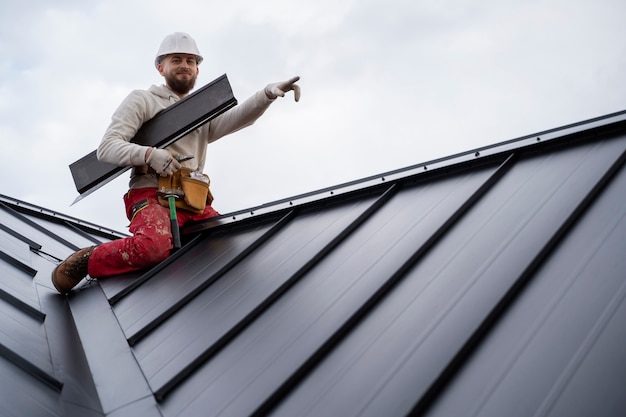
Maintaining a property free from wildlife intrusions is not only vital for the safety and comfort of its occupants but also for preserving its structural integrity. Wildlife exclusion is a proactive approach that involves measures to prevent animals from entering and residing in human spaces. Though initially perceived as an additional expense, wildlife exclusion is a strategic investment that can save property owners from potential damages and health risks associated with pest infestations. Understanding the costs involved and planning a budget for these preventive measures can ensure a pest-free property while fostering a harmonious coexistence with nature.
Understanding the Costs Involved in Wildlife Exclusion
Wildlife exclusion costs can vary significantly depending on several factors. Property owners need to consider:
- Property Size and Type: Larger properties or those with complex structures may require more extensive measures.
- Type of Wildlife: Different animals pose unique challenges. For instance, excluding raccoons might differ from keeping squirrels out.
- Extent of Infestation: A property already infested with wildlife will need more intensive and costly interventions.
By understanding these variables, property owners can plan more effectively. To explore advanced guides and tips on managing these factors, Explore advanced guides and tips.
Components of a Wildlife Exclusion Budget
Initial Assessment
Before any action is taken, a thorough assessment of the property is essential. This involves identifying potential entry points and understanding which species are present. Typically, a professional service will charge a fee for this initial consultation. Learn about our tailored solutions for effective assessments here.
Materials and Installation
The cost of materials varies based on the type of exclusion methods used. Common materials include:
- Sealants: Used to close small gaps and cracks.
- Wire Mesh: Ideal for covering vents and larger openings.
- Chimney Caps: Prevents animals from entering through the chimney.
Installation costs will depend on the complexity of the work and the materials used. Discover expert strategies for choosing the right materials here.
Ongoing Maintenance
Once the initial exclusion measures are in place, regular maintenance is crucial to ensure they remain effective. This may include:
- Regular inspections for new entry points.
- Repair and reinforcement of existing barriers.
- Monitoring for signs of animal activity.
Find out more about this approach to maintaining a pest-free environment here.
Benefits of Investing in Wildlife Exclusion
Investing in wildlife exclusion has several long-term benefits:
- Cost Savings: Preventing wildlife from causing damage can save significant repair costs in the future.
- Health and Safety: Reduces the risk of diseases transmitted by animals.
- Property Value: A well-maintained property free from wildlife issues can have a higher market value.
To see what others are saying about the effectiveness of wildlife exclusion services, check out customer reviews here.
Conclusion
Wildlife exclusion is a worthwhile investment that protects property and enhances quality of life. By understanding the costs involved and planning accordingly, property owners can ensure that their homes remain secure from wildlife intrusions. For more detailed information on these strategies, explore advanced guides and tips that offer comprehensive solutions tailored to various property needs.
About the Author