Expecting a baby is an exciting journey filled with anticipation and numerous questions about prenatal health and monitoring. One of the tools that many expectant mothers explore is the fetal Doppler, a device that allows parents to listen to their unborn baby’s heartbeat. Understanding how to use this tool, its benefits, and its limitations is crucial for ensuring both the mother’s and baby’s health. This guide aims to provide comprehensive insight into fetal Dopplers, offering valuable information for those considering its use.
What is a Fetal Doppler?
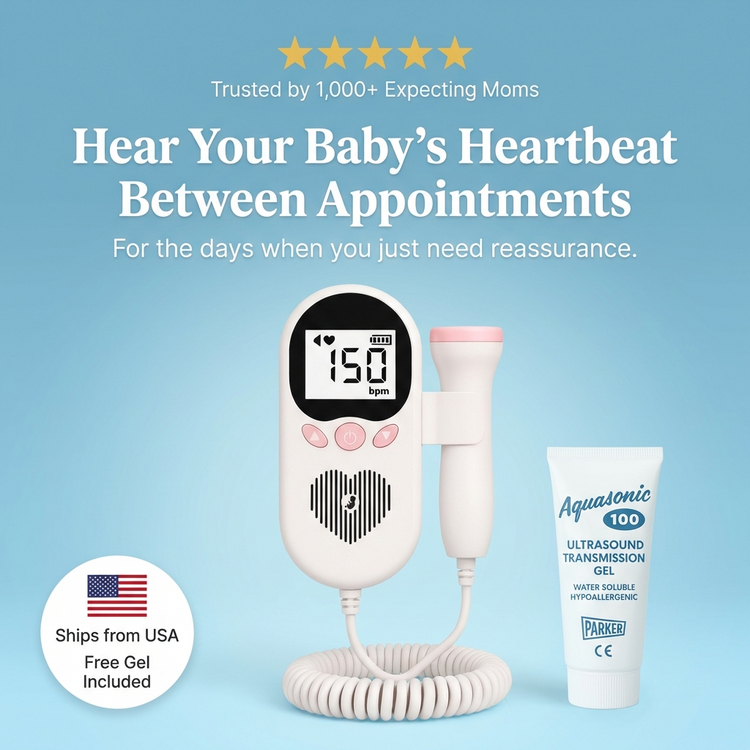
A fetal Doppler is a handheld ultrasound device used to detect the heartbeat of a fetus. It uses sound waves to monitor the movements of the fetal heart and convert them into sound. These devices are commonly used in medical settings, but home versions are available for personal use by expectant parents.
Benefits of Using a Fetal Doppler
Fetal Dopplers offer several advantages for expectant mothers:
- Peace of Mind: Listening to the heartbeat can provide reassurance about the baby”?s well-being.
- Bonding Experience: It allows parents to connect with their unborn child by hearing the heartbeats.
- Educational Tool: Helps parents become more engaged and informed about fetal development.
To explore advanced guides and tips on prenatal care, you can discover expert strategies here.
How to Use a Fetal Doppler Safely
When using a fetal Doppler, it is essential to adhere to certain guidelines to ensure safety and effectiveness:
- Consult Your Healthcare Provider: Before using a fetal Doppler at home, discuss it with your healthcare provider to understand its appropriate use.
- Use Sparingly: Limit the frequency of use to reduce potential risks associated with ultrasound exposure.
- Follow Instructions: Carefully read and follow the manufacturer”?s instructions for optimal results.
For more information on tailored solutions for expectant mothers, learn about our tailored solutions.
Limitations of Fetal Dopplers
While fetal Dopplers can be beneficial, they also have limitations:
- Not a Substitute for Professional Medical Advice: Fetal Dopplers should not replace regular prenatal check-ups.
- Potential for Misinterpretation: Untrained users may misinterpret sounds, leading to unnecessary anxiety or false reassurance.
- Varied Effectiveness: The ability to detect a heartbeat can vary based on the gestational age and fetal position.
To find out more about this approach to prenatal monitoring, find out more about this approach.
When to Use a Fetal Doppler
Understanding the appropriate times to use a fetal Doppler is vital for maximizing its benefits:
- Gestational Age: Most healthcare providers recommend using a fetal Doppler after the 12th week of pregnancy when the heartbeat is typically strong enough to be detected.
- Follow-up Appointments: It can be used between scheduled prenatal visits for additional reassurance.
- Specific Concerns: If concerns or unusual symptoms arise, consult a healthcare provider instead of relying solely on a Doppler.
To explore more about prenatal care strategies, explore advanced guides and tips.
Conclusion
A fetal Doppler can be a valuable tool for expectant mothers, offering a sense of connection and reassurance during pregnancy. By understanding its benefits, limitations, and proper usage, parents can make informed decisions that contribute positively to their prenatal care journey. Always prioritize professional medical advice and use fetal Dopplers as a supplementary tool rather than a primary source of medical information. For comprehensive insights into prenatal care, consider visiting specialized resources that provide expert strategies and solutions tailored for expectant mothers.
About the Author