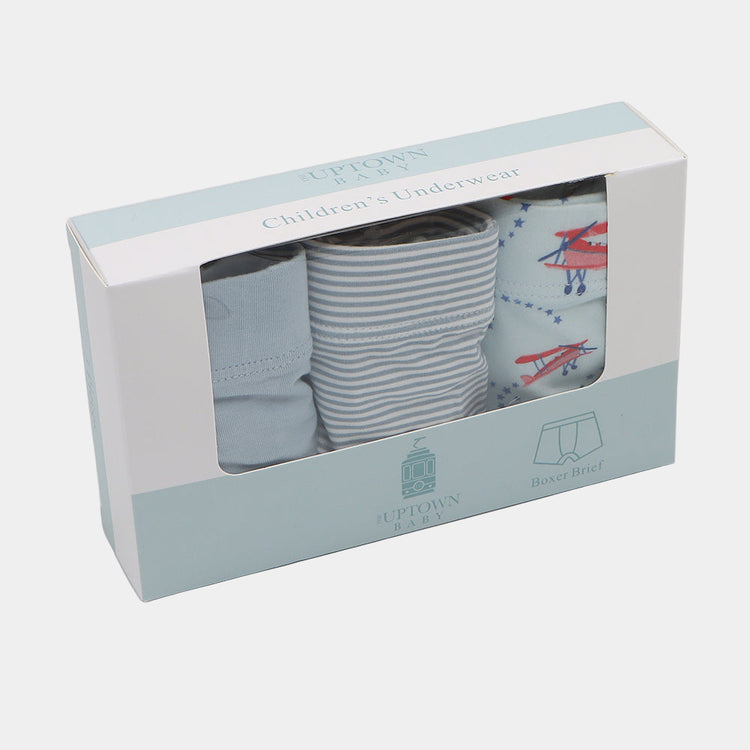
When it comes to choosing everyday underwear for toddlers, parents often balance comfort, durability, and sustainability. Bamboo fabric has emerged as a standout material that meets all three criteria while offering additional health benefits for young, active bodies. Its natural softness, moisture-wicking properties, and hypoallergenic nature make it an ideal choice for kids who spend most of their day in motion. This article explores why bamboo toddler underwear is gaining popularity, what features set it apart from conventional cotton options, and how to select the best pairs for daily wear.
Why Bamboo Stands Out for Toddler Underwear
Bamboo fibers are derived from a rapidly renewable plant that requires minimal water and no pesticides, positioning the material as an eco-friendly alternative to traditional cotton. Beyond its environmental credentials, bamboo offers several functional advantages that directly benefit toddlers:
- Exceptional Softness: The fabric feels like a second skin, reducing friction and irritation during play.
- Natural Breathability: Micro-pores in bamboo fibers allow air circulation, helping to regulate temperature and keep skin dry.
- Moisture Management: Bamboo can absorb up to three times its weight in moisture, pulling sweat away from the skin and preventing chafing.
- Antibacterial Properties: The material naturally resists odor-causing bacteria, keeping underwear fresher between washes.
- Hypoallergenic: Free from harsh chemicals, bamboo is ideal for children with sensitive skin or eczema.
Key Features to Look For
Fabric Composition
High-quality bamboo underwear typically blends bamboo viscose with a small percentage of elastane or spandex. This combination provides stretch for a snug fit without compromising the fabric’s softness. Look for products that list a minimum of 95% bamboo to ensure maximum benefit.
Seam Construction
Flat-lock or bonded seams reduce the likelihood of rubbing against delicate skin. Reinforced waistbands that stay in place without digging are also essential for active toddlers.
Fit and Size Range
Because toddlers grow quickly, adjustable or stretchy designs help extend the usable life of each pair. Many brands offer size charts that correspond to age and weight, making it easier to select the right fit.
Health and Comfort Benefits
Choosing bamboo underwear can positively impact a child’s daily comfort and overall skin health. The following points highlight the most significant advantages:
- Reduced Rashes: Breathable fabric minimizes heat buildup, a common cause of diaper-area rashes.
- Temperature Regulation: Bamboo’s thermoregulating properties keep kids cool in summer and warm in winter.
- Less Frequent Laundry: Antibacterial qualities mean garments stay odor-free longer, reducing the number of washes required.
- Eco-Conscious Parenting: Selecting sustainable fabrics supports broader environmental goals, teaching children the value of responsible consumption.
How to Care for Bamboo Toddler Underwear
Proper care extends the lifespan of bamboo garments while preserving their softness. Follow these guidelines for optimal results:
- Machine wash in cold or warm water (max 40°C/104°F).
- Use a gentle, fragrance-free detergent to avoid residue.
- Avoid bleach and fabric softeners, which can degrade the fibers.
- Air-dry or tumble dry on low heat; high temperatures may cause shrinkage.
- Store in a dry, breathable container to prevent mold.
Choosing the Right Brand
When evaluating options, consider brands that prioritize transparency in sourcing and manufacturing. Look for certifications such as OEKO-Tex or GOTS, which verify that the fabric is free from harmful substances. Detailed product pages that include fabric percentages, size guides, and customer reviews are also indicators of a trustworthy supplier.
For a curated selection of bamboo toddler underwear that meets these standards, Discover expert strategies here. The collection showcases a variety of colors and designs, allowing parents to choose options that suit both style preferences and functional needs.
Integrating Bamboo Underwear into Daily Routines
Introducing bamboo underwear into a child’s wardrobe is straightforward. Replace regular cotton briefs with bamboo pairs during the week and reserve cotton for occasional use, such as travel or special occasions. This rotation maximizes the benefits of bamboo while maintaining variety.
- Start with a set of three to four pairs for easy laundering cycles.
- Pair with breathable cotton socks for a fully moisture-wicking outfit.
- Encourage kids to pick their favorite colors, fostering a positive attitude toward wearing the new underwear.
Parents seeking additional guidance on selecting the best fit can Learn about our tailored solutions. The resource includes sizing tips and user testimonials that highlight real-world experiences.
Frequently Asked Questions
Is bamboo underwear safe for children with eczema?
Yes. The hypoallergenic nature of bamboo, combined with its moisture-wicking ability, helps reduce flare-ups by keeping the skin dry and free from irritants.
How does bamboo compare to organic cotton?
Both are sustainable, but bamboo offers superior breathability and natural antibacterial properties. Organic cotton, while chemical-free, may not wick moisture as efficiently.
Can bamboo underwear be dyed without harmful chemicals?
High-quality manufacturers use low-impact, certified dyes that meet safety standards, ensuring the final product remains safe for sensitive skin.
Conclusion
Choosing bamboo toddler underwear aligns comfort, health, and sustainability in a single, practical garment. Its soft texture, moisture management, and antimicrobial qualities address the everyday challenges parents face, while the eco-friendly production process supports broader environmental stewardship. By selecting reputable brands and following simple care instructions, parents can provide their children with reliable, comfortable daily wear that stands up to active play and growing bodies. For a comprehensive range of options and further insights, Explore advanced guides and tips and make an informed choice that benefits both child and planet.
About the Author