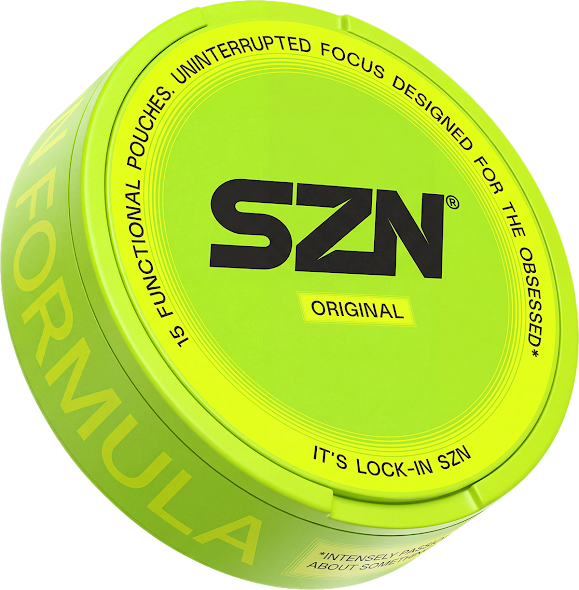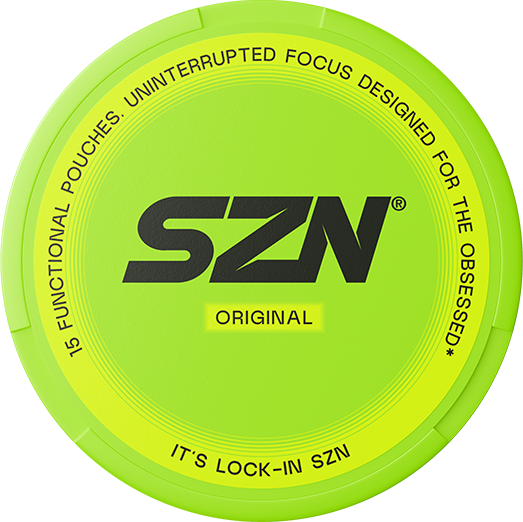
The global demand for convenient, fast-acting stimulants has shifted dramatically in recent years. While traditional energy drinks once dominated the market, a newer format, caffeine pouches, has emerged as a cleaner, more controlled alternative. These tiny, pre-measured packets deliver a precise caffeine dose without the sugar spikes, artificial flavors, or excessive calories associated with many popular energy beverages. For consumers seeking sustained alertness, improved focus, and a lower health risk profile, caffeine pouches represent a compelling evolution in functional nutrition.
Why Caffeine Pouches Outperform Energy Drinks
Precise Dosage and Consistency
- Each pouch contains a standardized amount of caffeine, typically ranging from 50″?mg to 200″?mg, allowing users to tailor intake to personal tolerance.
- No guesswork: unlike energy drinks that vary in caffeine content from brand to brand, pouches guarantee the same dose every time.
- Reduced risk of over-consumption, which can lead to jitteriness, heart palpitations, or sleep disturbances.
Lower Caloric and Sugar Load
- Most caffeine pouches contain fewer than 5 calories per serving and no added sugars, making them suitable for low-carb and ketogenic lifestyles.
- Eliminates the “empty calories” problem that contributes to weight gain and metabolic stress in many energy drink consumers.
- Supports better blood-glucose stability, which is essential for sustained mental performance.
Cleaner Ingredient Profiles
- Formulated with pharmaceutical-grade caffeine and minimal filler agents, avoiding artificial colors, preservatives, and high-fructose corn syrup.
- Many brands also incorporate natural flavorings (e.g., citrus, mint) and optional adaptogens for added functional benefits.
- Reduced exposure to potentially harmful compounds like taurine and excessive B-vitamin complexes often found in energy drinks.
Health Benefits of Switching to Caffeine Pouches
- Improved Cognitive Function: Controlled caffeine delivery enhances alertness, reaction time, and short-term memory without the crash associated with sugary drinks.
- Better Hydration: Because pouches contain little to no liquid, they don’t contribute to the diuretic effect that some carbonated energy drinks can cause.
- Weight Management: The negligible calorie count supports weight-control goals, especially for athletes and busy professionals.
- Reduced Gastrointestinal Irritation: The absence of carbonation and acidic additives lessens the likelihood of stomach upset.
Choosing the Right Caffeine Pouch
When evaluating options, consider the following criteria to ensure the product aligns with personal health goals and lifestyle needs:
- Caffeine Strength: Beginners may start with 50-100″?mg, while seasoned users often prefer 150-200″?mg for a stronger boost.
- Flavor Options: Natural fruit or mint flavors can enhance palatability without adding sugar.
- Additional Ingredients: Some pouches include L-theanine, electrolytes, or adaptogens for synergistic effects.
- Packaging Sustainability: Look for recyclable or biodegradable pouch materials to minimize environmental impact.
For a curated selection of high-quality caffeine pouches, Explore advanced guides and tips that detail product specifications, user reviews, and best-practice consumption strategies.
Integrating Caffeine Pouches into Daily Routines
Morning Kick-Start
Replace the typical 8-oz energy drink with a single 100″?mg pouch mixed into water or a favorite smoothie. This provides the same wake-up effect while cutting out 120+ calories and 30″?g of sugar.
Pre-Workout Boost
Combine a 150″?mg pouch with a small amount of carbohydrate (e.g., a banana) 30 minutes before exercise. The precise caffeine dose supports endurance without causing the jittery feeling that can impair performance.
Mid-Afternoon Focus
When the post-lunch slump hits, a 50″?mg pouch can restore concentration without the heavy crash that follows a sugary beverage. Pair it with a glass of water to stay hydrated.
To learn more about tailoring caffeine intake to specific activities, Discover expert strategies here and apply evidence-based recommendations.
Potential Drawbacks and How to Mitigate Them
- Over-Reliance: Relying solely on caffeine for energy can mask underlying sleep deficiencies. Prioritize quality rest alongside moderate caffeine use.
- Tolerance Build-Up: Regular daily use may reduce effectiveness. Implement “caffeine holidays”, periodic days without intake, to reset sensitivity.
- Interaction with Medications: Individuals on certain heart or anxiety medications should consult healthcare professionals before increasing caffeine consumption.
Future Trends in Caffeine Delivery
The market is already experimenting with hybrid formats, combining caffeine pouches with no-sugar electrolytes, vitamins, or even nano-encapsulated nutrients for enhanced absorption. As consumer demand for clean, portable energy solutions grows, expect more personalized dosing options, such as adjustable-strength pouches and smart-packaging that tracks daily intake.
For ongoing updates on emerging functional-nutrition technologies, Find out more about this approach and stay ahead of the curve.
Conclusion
Switching from traditional energy drinks to caffeine pouches offers a measurable advantage in precision, calorie control, and overall health impact. By delivering a consistent caffeine dose without the sugar, artificial additives, or excess calories, pouches empower users to maintain focus, support athletic performance, and manage weight more effectively. As the industry continues to innovate, these compact, low-impact solutions are poised to become the go-to choice for anyone seeking a smarter, healthier way to stay energized throughout the day.
About the Author