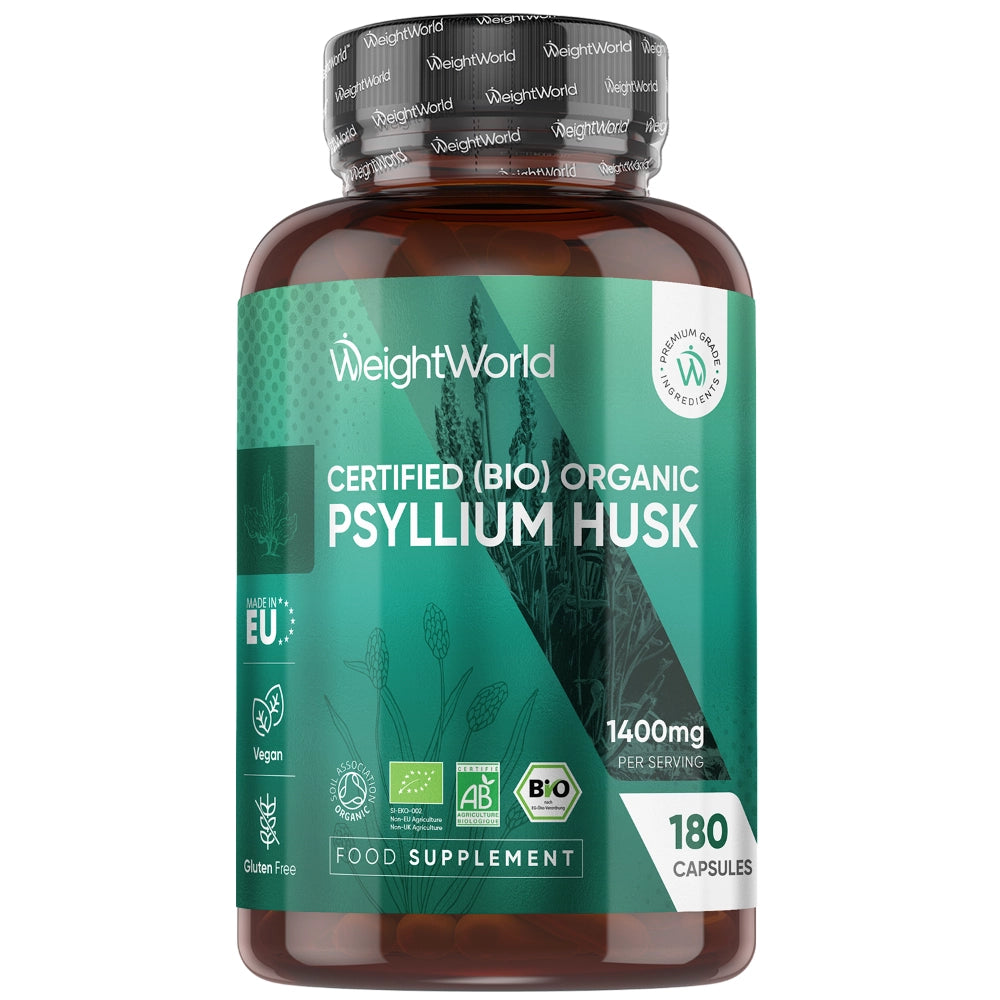
Maintaining a balanced gut ecosystem is essential for overall health, influencing everything from digestion and nutrient absorption to immune function and mental well-being. One natural supplement that has garnered attention for its ability to support gut health is psyllium husk, especially when delivered in convenient capsule form. By providing a soluble fiber source that ferments gently in the colon, psyllium husk capsules can help regulate bowel movements, nourish beneficial bacteria, and promote a healthier intestinal lining without the mess of bulk powders. This article explores the science behind psyllium husk, the specific benefits of taking it as capsules, and practical guidelines for incorporating it into a daily routine.
Understanding Psyllium Husk: What Makes It Unique?
Soluble Fiber Profile
Psyllium is a type of soluble fiber derived from the seeds of the Plantago ovata plant. Unlike insoluble fibers that simply add bulk, psyllium absorbs water to form a gel-like substance. This gel:
- Slows gastric emptying, giving a feeling of fullness.
- Creates a fermentable substrate for colonic bacteria.
- Helps trap toxins and cholesterol, facilitating their excretion.
Fermentation and Short-Chain Fatty Acids (SCFAs)
When psyllium reaches the colon, gut microbes break it down into short-chain fatty acids such as acetate, propionate, and butyrate. These SCFAs:
- Fuel colonocytes (the cells lining the colon), strengthening the intestinal barrier.
- Modulate inflammation by interacting with immune cells.
- Support the growth of beneficial bacteria like Bifidobacterium and Lactobacillus.
Key Benefits of Psyllium Husk Capsules for Gut Health
- Regular Bowel Movements: The gel formed by psyllium softens stool, making it easier to pass and reducing the risk of constipation.
- Improved Stool Consistency: For individuals with diarrhea, psyllium can absorb excess water, helping to firm up loose stools.
- Enhanced Microbial Diversity: By serving as a prebiotic, psyllium encourages a richer, more balanced gut microbiome.
- Support for Irritable Bowel Syndrome (IBS): Clinical studies suggest that soluble fiber can alleviate IBS symptoms, particularly bloating and irregularity.
- Cardiovascular Synergy: The same fiber that benefits the gut also helps lower LDL cholesterol, offering a dual-action health advantage.
Why Choose Capsules Over Powder?
While powdered psyllium is effective, capsules provide several practical advantages that align with a modern, busy lifestyle:
- Convenient Dosage: Each capsule contains a precise amount of fiber, eliminating the need for measuring spoons.
- Mess-Free Consumption: No gritty texture or preparation required; simply swallow with water.
- Portability: Capsules fit easily into a pocket, bag, or travel kit.
- Consistent Quality: High-grade manufacturing ensures each capsule delivers the same potency, reducing variability.
For those seeking a reliable source of soluble fiber, psyllium husk capsules offer a streamlined solution that integrates seamlessly into daily routines.
How to Incorporate Psyllium Husk Capsules into Your Routine
Recommended Dosage
Typical guidance suggests 1-2 capsules taken with a full glass of water (approximately 250″?ml) once or twice daily. It is crucial to follow the specific product instructions and adjust based on individual tolerance.
Timing and Pairing
- Morning: Taking capsules with breakfast can help regulate digestion throughout the day.
- Evening: A second dose after dinner may support overnight bowel regularity.
- Hydration: Adequate fluid intake is essential; psyllium expands significantly, and insufficient water can cause discomfort.
Potential Interactions and Precautions
Because psyllium can affect the absorption of certain medications, it is advisable to separate capsule intake from prescription drugs by at least 30 minutes. Individuals with known bowel obstructions, severe constipation, or swallowing difficulties should consult a healthcare professional before beginning supplementation.
Scientific Evidence Supporting Psyllium’s Gut Benefits
Multiple randomized controlled trials have examined psyllium’s impact on gastrointestinal health. A 2020 meta-analysis of 12 studies found that participants taking psyllium experienced a statistically significant reduction in constipation severity compared to placebo. Another study focusing on IBS patients reported a 40″?% improvement in bloating scores after eight weeks of daily psyllium supplementation.
Beyond symptom relief, research highlights psyllium’s role in modulating the gut microbiome. In a 2019 trial, participants who consumed 10″?g of psyllium daily showed increased abundance of butyrate-producing bacteria, correlating with improved intestinal barrier markers.
Choosing a High-Quality Psyllium Husk Capsule
- Organic Sourcing: Look for products derived from organically grown Plantago ovata to avoid pesticide residues.
- Purity Assurance: Third-party testing for contaminants such as heavy metals and microbial load ensures safety.
- Transparent Labeling: Clear dosage information and ingredient lists help consumers make informed choices.
When selecting a supplement, the presence of a reputable brand that adheres to Good Manufacturing Practices (GMP) can provide additional confidence in product consistency.
Conclusion: A Simple Step Toward a Healthier Gut
Integrating psyllium husk capsules into a balanced diet offers a straightforward, evidence-based approach to enhancing gut health. By delivering soluble fiber in a convenient, mess-free format, these capsules support regular bowel movements, nurture beneficial microbes, and contribute to overall digestive comfort. Coupled with adequate hydration and mindful timing, regular use can become a cornerstone of a holistic wellness routine, helping the gut perform its many vital functions with greater efficiency.
About the Author