Indoor air quality (IAQ) is a crucial aspect of maintaining a healthy and comfortable living environment. With people spending a significant amount of time indoors, the quality of the air they breathe can have profound effects on their health and well-being. Regular indoor air quality inspections are essential to identify potential pollutants and mitigate their effects efficiently. They not only safeguard health but also enhance the comfort and longevity of indoor spaces. This article delves into the importance of regular IAQ inspections and the benefits they offer.
Understanding Indoor Air Quality
Indoor air quality refers to the condition of the air within and around buildings and structures, particularly as it relates to the health and comfort of occupants. Poor IAQ can be caused by a variety of factors including:
- Accumulation of pollutants from indoor sources such as cleaning agents, paints, and furnishings.
- External pollutants entering the building from traffic, industrial activities, or other outdoor sources.
- Inadequate ventilation and air exchange.
To combat these issues effectively, regular inspections are pivotal. Discover expert strategies here for maintaining optimal air quality.
The Health Implications of Poor Indoor Air Quality
Poor indoor air quality can lead to a host of health issues, particularly for vulnerable populations like children, the elderly, and those with pre-existing health conditions. Some common health effects include:
- Respiratory problems, such as asthma and allergies.
- Headaches, dizziness, and fatigue.
- Long-term effects including respiratory diseases and even heart disease.
Regular IAQ inspections can identify these risks early, allowing for timely interventions. Learn about our tailored solutions to address these health concerns effectively.
Benefits of Regular IAQ Inspections
Enhanced Health and Comfort
Regular IAQ inspections help to ensure that the indoor environment is safe and comfortable for all occupants. By identifying and eliminating sources of pollution, these inspections can significantly reduce health risks and enhance overall comfort.
Improved Energy Efficiency
IAQ inspections can also lead to improvements in energy efficiency. HVAC systems that operate in a cleaner environment tend to be more efficient, leading to reduced energy consumption and lower utility bills. Find out more about this approach to improving energy efficiency through IAQ management.
Prolonged Building Lifespan
Regular inspections can help to identify issues such as mold growth and material degradation early on. Addressing these issues promptly can prolong the lifespan of the building and its components, ultimately saving on costly repairs or replacements.
Conducting Effective Indoor Air Quality Inspections
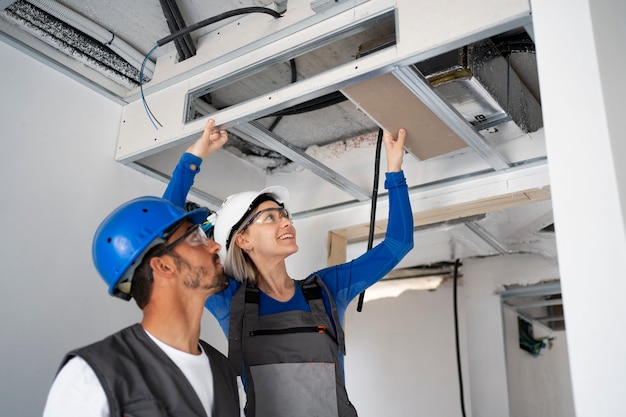
Conducting an effective IAQ inspection involves a comprehensive assessment of the indoor environment. Key elements include:
- Assessing ventilation systems for adequate air exchange and filtration.
- Identifying potential sources of indoor pollutants.
- Monitoring humidity levels to prevent mold growth.
Professionals employ a range of tools and techniques to conduct thorough inspections. Explore advanced guides and tips for conducting effective IAQ inspections.
Conclusion
Regular indoor air quality inspections are an essential part of maintaining a healthy, safe, and comfortable indoor environment. By identifying and addressing potential risks early, these inspections can prevent health issues, improve energy efficiency, and extend the lifespan of buildings. Investing in regular IAQ assessments is a proactive approach to ensuring the well-being of all occupants and the sustainability of indoor spaces.
About the Author