Building lean muscle is a science that blends consistent training, proper nutrition, and strategic supplementation. While a solid workout routine and balanced diet lay the foundation, the right supplements can accelerate recovery, enhance protein synthesis, and support hormonal balance, key factors for maximizing muscle hypertrophy. This guide reviews the most effective supplements for muscle growth, explains how they work, and offers practical tips for incorporating them into a training regimen.
Why Supplementation Matters for Muscle Growth
Supplementation isn’t a shortcut; it’s a tool that fills nutritional gaps and optimizes the body’s anabolic environment. When training intensity rises, the body’s demand for certain nutrients exceeds what typical meals can provide. Targeted supplements can:
- Supply high-quality protein quickly after workouts.
- Replenish glycogen stores to maintain training volume.
- Support muscle repair through amino acids and anti-inflammatory compounds.
- Boost hormone levels that drive protein synthesis.
Core Supplements for Muscle Growth
1. Whey Protein Isolate
Whey protein isolate (WPI) offers a rapid, high-biological-value protein source with minimal lactose and fat. Consuming 20-30″?g of WPI within 30 minutes post-exercise delivers essential amino acids, especially leucine, to trigger muscle protein synthesis.
- Fast absorption (???20″?minutes).
- ???90″?% protein content.
- Low carbohydrate and fat profile.
2. Creatine Monohydrate
Creatine is the most researched performance supplement. It increases phosphocreatine stores in muscle cells, allowing for greater ATP regeneration during short, intense efforts such as weightlifting.
- Improves strength and power output.
- Enhances muscle volumization through water retention.
- Supports long-term hypertrophy when combined with resistance training.
3. Branched-Chain Amino Acids (BCAAs)
BCAAs, leucine, isoleucine, and valine, play a direct role in signaling the mTOR pathway, a central regulator of muscle growth. While whole-protein sources provide BCAAs, supplemental forms can be useful during prolonged training sessions.
- Leucine ratio of 2:1:1 (Leu:Ile:Val) is optimal.
- May reduce perceived muscle soreness.
- Convenient for intra-workout consumption.
4. Beta-Alanine
Beta-alanine buffers hydrogen ions that accumulate during high-intensity exercise, delaying fatigue and enabling more total work per session.
- Increases muscle carnosine levels.
- Effective for sets lasting 1-4 minutes.
- Typical dose: 2-5″?g per day (split to avoid tingling).
5. Omega-3 Fatty Acids (EPA/DHA)
Omega-3s possess anti-inflammatory properties that can improve recovery and may enhance the anabolic response to protein intake.
- Supports joint health.
- Potentially augments muscle protein synthesis.
- Recommended 1-3″?g of combined EPA/DHA daily.
Additional Supplements to Consider
Beyond the core group, several ancillary products can complement a muscle-building program.
Vitamin D
Vitamin D deficiency is linked to reduced muscle strength. Supplementation ensures optimal hormone function and supports overall performance.
Zinc and Magnesium (ZMA)
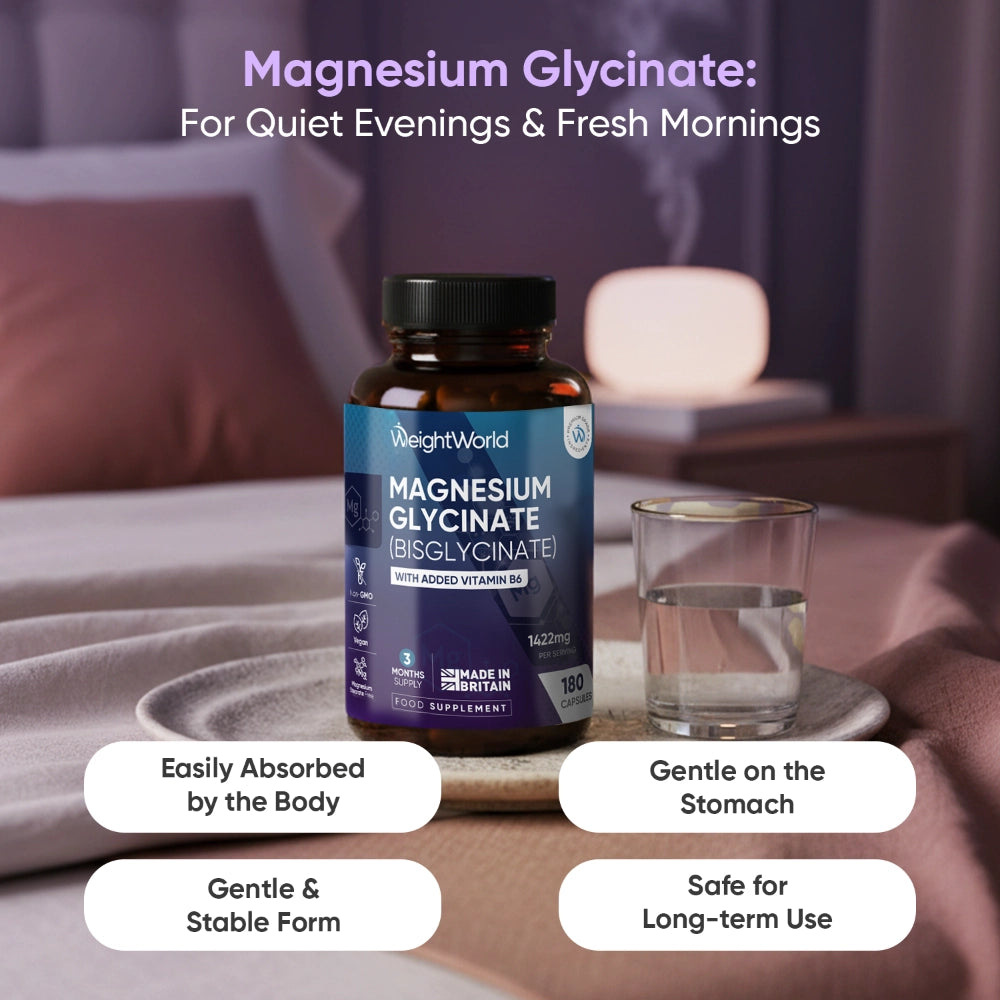
Zinc and magnesium are essential for testosterone production and sleep quality, both critical for recovery and growth.
Pre-Workout Formulas
Formulas containing caffeine, citrulline malate, and beta-alanine can boost energy, improve blood flow, and increase training volume. Use them strategically to avoid tolerance buildup.
How to Choose Quality Supplements
When selecting supplements for muscle growth, focus on transparency, third-party testing, and ingredient purity.
- Label clarity: Look for precise dosages and minimal proprietary blends.
- Third-party verification: Certifications from NSF, Informed-Sport, or USP add credibility.
- Ingredient sourcing: Reputable manufacturers disclose origins and processing methods.
Integrating Supplements into Your Routine
Effective supplementation follows a structured timing strategy that aligns with training phases.
Pre-Workout
- Beta-alanine (2″?g) 30″?minutes before training.
- Citrulline malate (6-8″?g) to enhance nitric-oxide production.
Intra-Workout
- BCAAs (5-10″?g) for sustained amino acid availability.
- Electrolyte drink if sessions exceed 60″?minutes.
Post-Workout
- Whey protein isolate (20-30″?g) combined with 5″?g creatine monohydrate.
- Fast-acting carbohydrate (e.g., dextrose) if glycogen replenishment is a priority.
Daily Foundations
- Omega-3 fish oil (1-3″?g) with meals.
- Vitamin D (1000-2000″?IU) and zinc/magnesium before bedtime.
Potential Side Effects and Safety Tips
Most muscle-building supplements are safe when used as directed, but awareness of individual tolerance is essential.
- Creatine: May cause mild gastrointestinal discomfort; stay hydrated.
- Beta-alanine: Can produce a harmless tingling sensation (paresthesia) at high doses.
- Omega-3s: Excessive intake may affect blood clotting; follow recommended limits.
Consult a healthcare professional before beginning any new supplement regimen, especially if pre-existing medical conditions exist.
Conclusion
Optimizing muscle growth requires a balanced approach that combines progressive resistance training, adequate nutrition, and scientifically backed supplementation. Core products such as whey protein isolate, creatine monohydrate, BCAAs, beta-alanine, and omega-3 fatty acids deliver the most measurable benefits, while supporting nutrients like vitamin D and zinc can fine-tune recovery. By selecting high-quality supplements, timing them strategically, and monitoring individual responses, athletes can enhance their workout results and achieve stronger, leaner physiques.
About the Author