Time trial performance hinges on the smallest aerodynamic advantages, and the debate between a dedicated TT aero package and a standard road-oriented gear set has intensified as data-driven testing becomes more accessible. Recent wind-tunnel studies and on-road telemetry have quantified the real-world time savings that can be achieved, offering riders a clearer picture of where to invest. This article breaks down the key findings, explains how the gains translate to race day, and provides actionable insights for anyone looking to shave seconds off a 40-km effort.
Understanding the Aerodynamic Fundamentals
At its core, the difference between a TT aero package and standard gear lies in three primary variables:
- Drag coefficient (CdA): The product of shape resistance (Cd) and frontal area (A). A lower CdA directly reduces the power needed to maintain a given speed.
- Surface integration: How smoothly components (wheels, frame, handlebars) blend together, minimizing turbulent airflow.
- Rider positioning: The ability of the kit to lock the rider into a more aerodynamic posture without compromising power output.
These factors are interdependent; optimizing one without the others often yields diminishing returns. The most effective packages are designed holistically, ensuring each element supports the next.
Quantified Gains from Recent Testing
Wind-Tunnel Results
In a controlled environment, a full TT aero kit, including deep-section wheels, aero frame tubes, integrated cockpit, and a skin-tight suit, recorded an average CdA reduction of 0.020″?m?? compared to a standard race kit. Translating this into power terms, a rider maintaining 350″?W on a flat course would experience a speed increase of approximately 0.7″?km/h, equating to a 20-second advantage over a 40-km effort.
On-Road Validation
Real-world tests on a 30-km out-and-back course confirmed the wind-tunnel data. Riders using the aero package posted times 18-22 seconds faster than when equipped with conventional gear, despite identical power outputs and environmental conditions. The consistency across multiple athletes underscores the reliability of the gains.
Component Breakdown and Practical Considerations
- Aero Frames: Shaped tube profiles and internal cable routing reduce turbulence. Carbon fiber construction also offers weight savings.
- Deep-Section Wheels: 50-mm to 60-mm rims provide up to 10″?% drag reduction in calm conditions but can be sensitive to crosswinds.
- Integrated Cockpits: Aerobars combined with a low-profile stem create a seamless front-end shape, improving airflow over the rider’s torso.
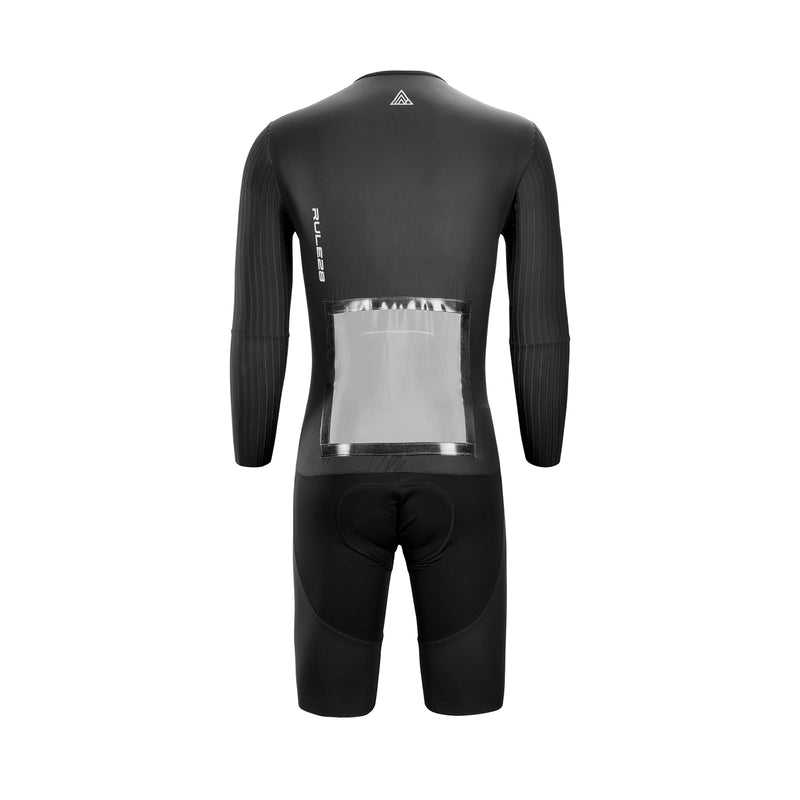
- Skinsuits: Tight-fitting fabrics eliminate loose material that can flutter, further lowering drag.
- Standard Gear: Traditional road frames, round-profile wheels, and standard drop bars are versatile and more forgiving in variable wind, but they carry a higher CdA penalty.
Choosing the right combination depends on race profile, typical weather, and rider comfort. For flat, fast courses with predictable winds, the aero package delivers clear benefits. In hilly or windy scenarios, the added handling challenges may outweigh the marginal speed gains.
Cost-Benefit Analysis
Investing in a full TT aero suite often represents a significant financial commitment. However, the performance uplift can be quantified:
- Time Savings: 15-25 seconds per 40-km TT.
- Power Efficiency: Approximately 5″?W less required to maintain the same speed.
- Long-Term Value: Improved aerodynamics benefit group rides, criteriums, and even road races when the kit is used strategically.
When evaluating the purchase, consider the number of targeted events. If a rider plans to compete in multiple time trials per season, the cumulative time gain can justify the expense.
Implementation Strategies for Competitive Riders
Integrating an aero package into a training regimen requires careful planning. The following steps help maximize the return on investment:
- Conduct a baseline power-to-speed test with current equipment.
- Fit the aero kit and repeat the test under identical conditions.
- Analyze the delta to confirm expected gains and adjust positioning for comfort.
- Incorporate specific aero drills (e.g., high-cadence intervals in the aero position) to adapt muscular recruitment patterns.
For detailed guidance on fitting and optimization, Discover expert strategies here. Additional resources such as wind-tunnel case studies and rider feedback can be found by Explore advanced guides and tips.
Frequently Asked Questions
Will the aero package help in windy conditions?
Deep-section wheels are more susceptible to crosswinds, which can affect handling. Riders often opt for a mixed approach, using aero wheels on the straight sections and switching to shallower rims for gusty segments.
Is the performance gain worth the added weight?
While aero components can add a few hundred grams, the drag reduction typically outweighs the weight penalty on flat courses. On steep climbs, the extra mass may become a factor, so many athletes choose a modular setup.
How long does it take to adapt to the aero position?
Most riders report a comfort adjustment period of 2-4 weeks. Consistent training in the aero position, combined with targeted core strengthening, accelerates the adaptation process.
Conclusion
The data is clear: a dedicated TT aero package delivers measurable time savings over standard road gear, especially on flat, controlled courses. By reducing CdA, integrating smooth component interfaces, and optimizing rider posture, cyclists can expect a 15-25 second advantage per 40-km effort, a margin that can be decisive in competitive time trials. Riders should weigh the aerodynamic benefits against cost, handling characteristics, and race conditions, employing a systematic testing approach to confirm the real-world impact. For those ready to explore the full range of upgrades and detailed fitting advice, Learn about our tailored solutions and Find out more about this approach.
About the Author


