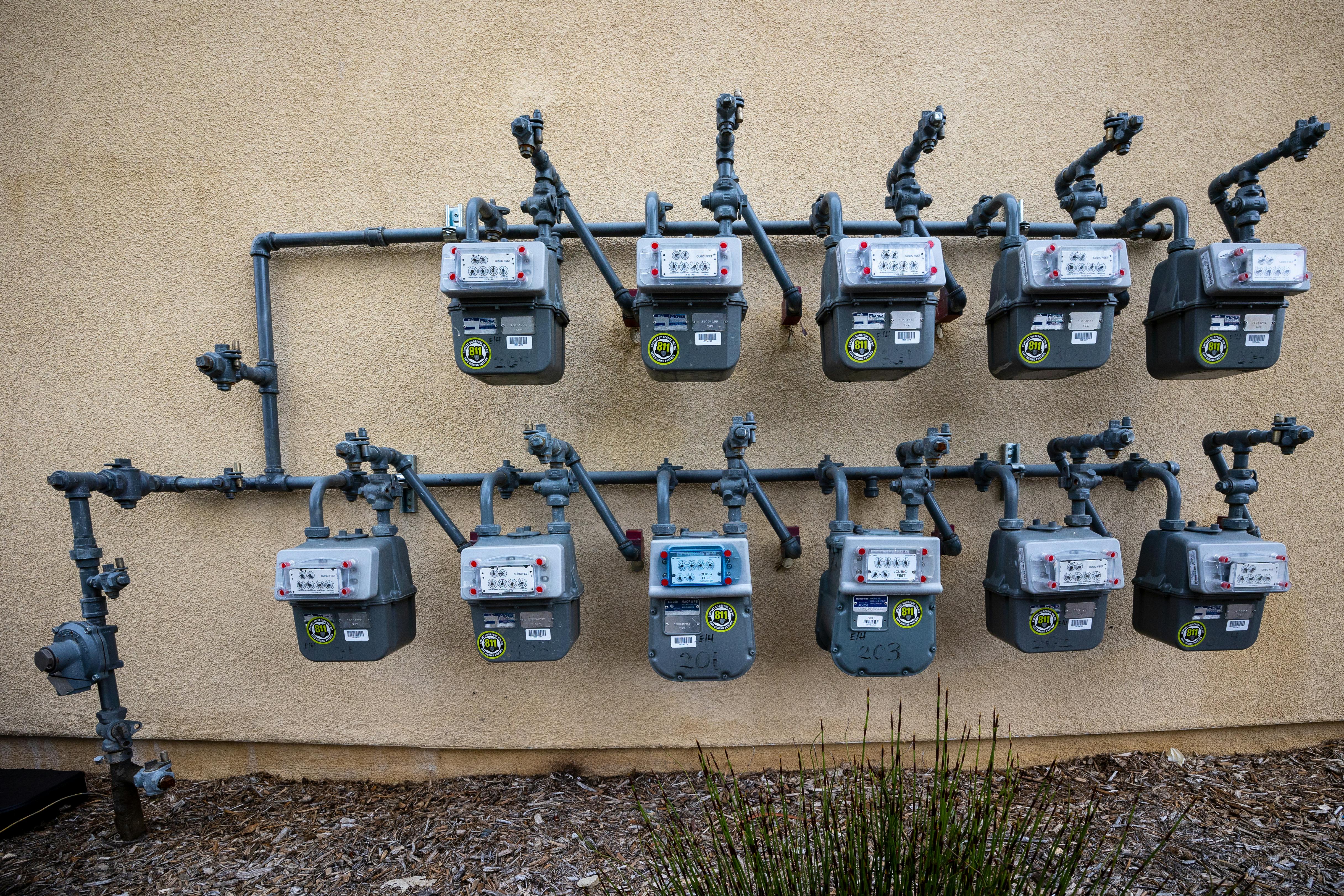
In the pursuit of creating a comfortable living environment, heating systems play an indispensable role, especially during the chilly months. Among the various heating solutions available, ducted heating systems have gained significant popularity due to their efficiency and effectiveness. This article takes a deep dive into understanding ducted heating systems, exploring their components, benefits, and considerations for installation and maintenance. For those seeking further insight into tailored heating solutions, learn about our tailored solutions.
What is a Ducted Heating System?
A ducted heating system is a central heating system that distributes warm air throughout a building via a series of ducts. These systems are typically installed in the roof or under the floor of a building, making them a discreet yet effective option for maintaining a consistent temperature across multiple rooms.
Components of a Ducted Heating System
- Central Heating Unit: Often powered by gas or electricity, this unit is responsible for warming the air.
- Ductwork: A network of insulated ducts that transport the warm air from the central unit to different rooms.
- Vents: Installed in the ceilings, floors, or walls, vents allow the warm air to enter each room.
- Thermostat: A device that regulates the temperature by controlling the operation of the heating unit.
Advantages of Ducted Heating Systems
Ducted heating systems offer several advantages, making them a preferred choice for many homeowners. Discover expert strategies here for optimizing these systems.
- Even Heating: These systems ensure that all areas of a home are heated evenly, eliminating cold spots.
- Energy Efficiency: Modern ducted systems are designed to be energy-efficient, reducing utility bills.
- Discreet Design: With ducts hidden within the structure of the home, these systems do not interfere with interior aesthetics.
- Flexibility: They can be zoned to heat only specific areas, offering further energy savings.
Considerations for Installation and Maintenance
When considering a ducted heating system, it is crucial to evaluate a few key factors. Find out more about this approach to ensure a smooth installation process.
- Professional Assessment: A professional evaluation of the home’s layout and heating needs is essential for optimal system design.
- Installation Costs: While initial installation can be costly, the long-term savings on energy bills often justify the investment.
- Regular Maintenance: Routine maintenance, including cleaning ducts and servicing the central unit, is necessary for efficient operation.
- System Size: Selecting the right size system is crucial to ensure adequate heating without excessive energy consumption.
Conclusion
Ducted heating systems offer a reliable and efficient way to heat a home, combining comfort with energy savings. Their ability to provide uniform heating and the convenience of discreet installation make them an appealing option for many homeowners. For those considering this type of heating solution, understanding the components, benefits, and maintenance requirements is key to making an informed decision. Explore advanced guides and tips to enhance the efficiency and longevity of your ducted heating system.
About the Author